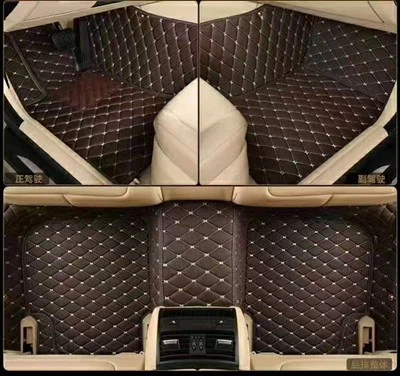
Leather floor mats, with their elegant texture and delicate feel, serve both protective and decorative functions in high-end cabins. To ensure they maintain their excellent condition during daily use, besides relying on the product's inherent quality, mastering scientific usage techniques is crucial. These techniques cover installation positioning, daily maintenance, environmental handling, and detailed protection, effectively extending their lifespan and maintaining a consistent visual and tactile experience.
The key to installation is precise fit and secure fixation. Use a vehicle-specific mat molded based on the car's 3D data. First, compare the mat's contours with the car's floor, ensuring the side panels and edges perfectly align with the seat rails and door sills. Place the mat from front to back, adjusting the driver and passenger seats sequentially to avoid misalignment that could cause blind spots. Fasteners, Velcro, or anti-slip studs should be individually fastened to the vehicle's mounting points, pressing evenly with your palm to ensure the mat is not suspended from the ground. After installation, be sure to test the accelerator, brake, and clutch pedals to ensure there is no interference or abnormal resistance, thus eliminating safety hazards caused by displacement during driving.
Daily use tips emphasize stain prevention and timely cleaning. Although leather surfaces have some splash resistance, mud, sand, and liquids brought in by the soles of shoes can still cause scratches or seep into the seams. For water or oil stains, immediately absorb excess liquid with a dry cloth, then gently wipe along the grain with a slightly damp soft cloth and a neutral leather cleaner. Avoid using strong acid or alkaline products or hard brushes, as these can damage the coating and leather. After cleaning, blot dry with a dry cloth and allow to air dry naturally in a cool, ventilated place. Avoid direct sunlight or high-temperature drying, which can cause cracking or fading.
Environmental management techniques help slow down material aging. Leather is sensitive to changes in temperature and humidity. Prolonged direct sunlight will accelerate coating oxidation and discoloration, while humid environments can easily induce mold. When parking, choose shady spots or use sunshades, and keep the car's interior well-ventilated by turning on the ventilation system as needed. In rainy seasons or high-humidity areas, place desiccant on the floor mats and regularly check their condition, addressing any localized moisture buildup promptly.
Detailed protection techniques include regular conditioning and surface protection. Every two to three months, apply a thin layer of professional leather conditioner and polish along the grain to replenish lipids and maintain the leather's softness and resilience. After cleaning and drying, spray a suitable amount of leather protective spray to form a hydrophobic and oleophobic film, enhancing stain resistance and wear resistance; however, avoid excessive application as it can affect the original texture.
Furthermore, develop a habit of periodically inspecting the floor mats, checking for loose stitching, fine lines, or bulges. Repair any problems promptly to prevent further damage.
In summary, the techniques for using leather floor mats encompass precise installation, timely cleaning, environmental control, regular conditioning, and detailed protection-each aspect interconnected. Mastering and implementing these methods will ensure that the mats consistently deliver their aesthetic and protective advantages in varying climates and road conditions, continuously infusing the cabin with elegance and quality.