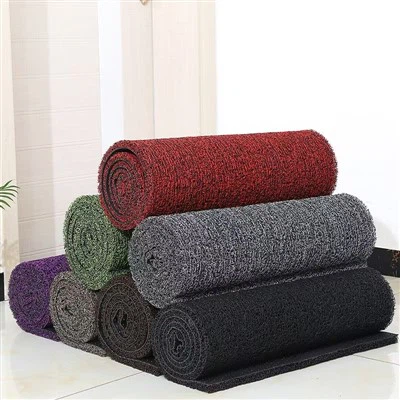
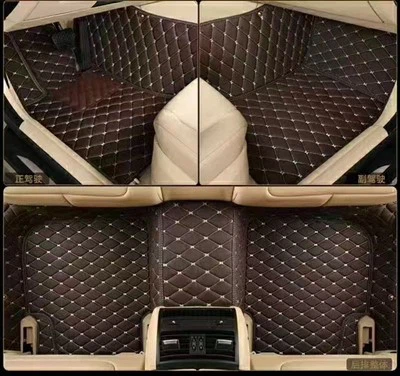
Among car floor mats, loop carpet mats are widely favored for their 3D absorbent structure and easy-to-clean properties. However, to fully utilize their advantages and avoid potential shortcomings, it's essential to rely on practical experience. Years of market feedback and user practice have shown that accurate selection, proper installation, and correct maintenance are key to ensuring the long-term effectiveness of loop carpet mats.
One key experience is choosing the appropriate size based on the driving environment. In dusty, muddy road conditions, a medium-length pile structure can more effectively trap particles, reducing penetration into the original carpet. In urban paved road scenarios, prioritize models with higher density and shorter pile to improve daily dust removal efficiency and reduce drying time after washing. For environments where liquid spills are common, pay attention to the sealing process of the base and edges, and clean them as soon as possible after use to prevent moisture retention.
Secondly, ensure a secure and stable installation. While vehicle-specific models strive for precision in their outlines, careful alignment of the seat rails and door sills is still necessary during installation. Each clip or Velcro fastener must be confirmed to be fully engaged with the vehicle's mounting points. Some models may have slight irregularities in the floor; after installation, test the accelerator and brake pedals to check for any obstruction or displacement of the floor mats. Experience shows that improper initial installation is often the main cause of displacement or abnormal noises later on.
Thirdly, cleaning and maintenance should follow the principles of "timely, thorough, and damage-avoidance." For daily cleaning, use a handheld vacuum cleaner or shake to remove loose dust, preventing particles from rubbing against the fibers and causing them to flatten. For heavy stains, immediately rinse with a gentle stream of water, avoiding high-pressure spraying as this can dislodge the fibers. After rinsing, allow the vehicle to air dry in a cool, ventilated place. Exposure to direct sunlight or high-temperature drying can reduce the elasticity of the fibers and cause the substrate to age. During humid seasons or after prolonged periods of rain, spray with an antibacterial agent and increase the frequency of air drying to prevent mold and odors.
Fourthly, pay attention to periodic inspections and localized repairs. After prolonged use, some areas may experience flattened fibers or slight cracks in the base. These should be combed promptly, or the affected modules should be replaced to prevent a decrease in protective effectiveness. For inferior products that shed excessively, continued use is not advisable; otherwise, not only will their dust-absorbing ability weaken, but they may also pollute the air inside the vehicle.
Overall, the key to using coil floor mats is a combination of environmental matching, precise installation, scientific cleaning, and regular inspection. These practical insights not only help extend the product's lifespan but also ensure that it consistently delivers its absorption, protection, and comfort advantages under varying road conditions and weather conditions, providing reliable protection for daily driving.