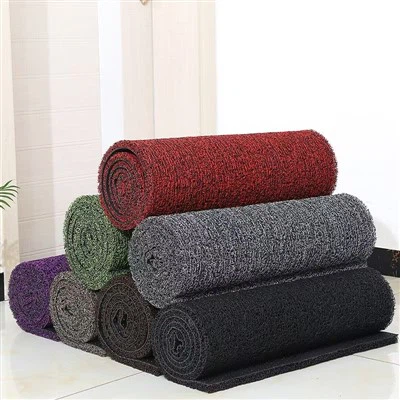
As a supplier specializing in Gold Panning Grass, I've received numerous inquiries from gold enthusiasts and hobbyists about the natural occurrence of Gold Panning Grass near rivers. In this blog, I'll delve into the scientific aspects of whether Gold Panning Grass can be found in river - side areas, and also share some insights from my experience in the gold panning supply business.
Understanding Gold Panning Grass
Gold Panning Grass is a specially designed material used in the gold panning process. It is crafted to mimic natural conditions that can trap gold particles as water flows through it. Its fine fibers and complex structure create a series of small pockets and channels where gold flakes, dust, and nuggets can get caught. But what about its natural existence near rivers?
In nature, there are no true "Gold Panning Grass" as we know it for commercial gold panning. However, similar natural materials may play a similar role. For example, certain types of fibrous plants, such as wild grasses or mosses that grow near rivers, can sometimes act as natural gold traps. These plants often have intricate root systems or fibrous leaves that can capture small gold particles carried by the flowing water.
Factors Affecting the Presence of Natural "Gold - Trapping" Materials near Rivers
- Water Flow: The speed and volume of water flow in a river are crucial factors. In areas with fast - flowing water, the force of the water can dislodge and carry gold particles downstream. Fibrous plants or materials that can withstand strong water flows and still capture these particles are more likely to be effective. For instance, in mountainous rivers, where the water rushes rapidly, thick patches of moss on rocks can trap gold due to their dense and resilient structure.
- Gold Deposits in the Area: The presence of gold in the riverbed is a pre - requisite for any natural material to act as a gold trap. Areas with a history of gold mining or known gold deposits are more likely to have water with suspended gold particles. Rivers that cut through gold - bearing rock formations will carry these tiny gold fragments, and any suitable fibrous material in the river will have a chance to trap them.
- Vegetation Type: Different types of vegetation have different capacities to trap gold. Grasses with long, thin blades and a dense growth pattern are more likely to catch gold particles than sparse or smooth - surfaced plants. This is because the spaces between the blades and the roughness of the surface provide more opportunities for gold to adhere. For example, some types of reed grasses that grow in wet areas near rivers can form thick mats, and gold particles can become lodged within these mats.
Comparing Natural Materials with Commercial Gold Panning Grass
While natural materials near rivers can act as makeshift gold traps, commercial Gold Panning Grass has several advantages. Firstly, it is engineered to have a consistent and optimized structure for gold capture. The fibers in commercial Gold Panning Grass are designed to create the ideal size and shape of pockets to trap gold of various sizes, from the tiniest dust to small nuggets.
Secondly, commercial Gold Panning Grass is durable. Natural materials like grasses and mosses can be easily damaged by the constant flow of water and the movement during the gold panning process. In contrast, the synthetic materials used in commercial Gold Panning Grass can withstand repeated use and harsh conditions.
Another advantage is the ease of use. Commercial Gold Panning Grass can be cut and shaped to fit different gold panning equipment, such as sluice boxes. Natural materials may require more effort to adapt to the panning setup and may not provide as efficient a gold - capturing surface.
Other Related Products in Gold Panning
In addition to Gold Panning Grass, there are other valuable products in the gold panning industry. Gold Sticking Blanket is one such item. These blankets are designed to attract and hold gold particles through a special adhesive or electrostatic property. They are often used in combination with Gold Panning Grass to increase the overall gold recovery rate.
Gold Panning Blanket also serves a similar purpose. It provides an additional surface area for gold particles to settle and be captured. Gold miners often layer these blankets in their sluice boxes along with Gold Panning Grass to create a multi - stage gold capture system.
Making the Decision: Natural vs. Commercial
For amateur gold panners who are just starting out and want to experiment, trying natural materials near rivers can be a fun and educational experience. It can give them a sense of how gold is naturally trapped and the basic principles of gold panning. However, for more serious gold panners or those aiming for a higher yield, commercial Gold Panning Grass and related products are the better choice.


As a supplier, I've seen many customers who started with natural materials and then switched to commercial products after experiencing the limitations of the former. The improved efficiency and reliability of commercial Gold Panning Grass make it a worthwhile investment for anyone serious about gold panning.
Guiding Procurement and Collaboration
If you're interested in enhancing your gold panning experience with high - quality Gold Panning Grass, Gold Sticking Blanket or Gold Panning Blanket, I'd be more than happy to assist you. Whether you're a small - scale hobbyist or a professional gold miner, we have the right products to meet your needs. Reach out to us to discuss your requirements and let's explore how we can help you increase your gold recovery.
References
- "The Art and Science of Gold Panning", a collection of research papers on gold panning techniques and materials.
- "River Ecology and Gold Deposits", a scientific study on the relationship between river ecosystems and gold presence.
- Industry reports on the development and use of gold panning equipment and materials.