As a supplier of Gold Panning Blankets, I've received numerous inquiries from prospectors about the performance of these blankets under different temperature conditions. It's a topic that combines both practical field experience and scientific understanding. In this blog, I'll delve into whether Gold Panning Blankets work better in certain temperatures, drawing on my knowledge as a supplier and insights from the gold - panning community.
How Gold Panning Blankets Work
Before discussing the impact of temperature, it's essential to understand how Gold Panning Blankets function. These blankets are designed to trap fine gold particles as water and sediment pass over them. The surface of a Gold Panning Blanket, like the Gold Panning Blanket, is engineered with a special texture or material that creates small pockets and crevices. When gold - laden water flows through a sluice box lined with these blankets, the gold particles settle into these pockets due to their high density.
The efficiency of a Gold Panning Blanket depends on several factors, including the flow rate of water, the size and shape of gold particles, and, as we'll explore, the temperature.
Temperature and Water Viscosity
One of the primary ways temperature affects Gold Panning Blankets is through its influence on water viscosity. Water viscosity is a measure of its resistance to flow. As the temperature decreases, water becomes more viscous. Cold water is thicker and flows more slowly compared to warm water.
In colder temperatures, the reduced flow rate of water can have both positive and negative effects on gold recovery. On the positive side, slower - moving water gives gold particles more time to settle into the pockets of the Gold Panning Blanket. Since the water is not rushing over the blanket as quickly, there is a higher probability that the gold will find its way into the trapping areas.
However, there are also drawbacks. The increased viscosity can cause sediment to clump together more easily. This clumping can block the small pockets on the blanket's surface, reducing its ability to trap gold. Additionally, if the water is too cold, it might freeze in the sluice box, making the entire gold - panning process impossible.
Conversely, in warmer temperatures, water has lower viscosity and flows more freely. This can lead to a faster flow rate through the sluice box. While this might seem beneficial at first, it can also cause problems. The fast - moving water may carry gold particles over the blanket without giving them enough time to settle. As a result, some fine gold might be lost.
Temperature and Gold Particle Mobility
Another aspect to consider is the mobility of gold particles themselves. Gold is a heavy metal, but its movement in water is still affected by temperature. In colder temperatures, the kinetic energy of gold particles is reduced. They move more sluggishly and are less likely to be dislodged once they've settled into the pockets of the Gold Panning Blanket.
In warmer temperatures, the increased kinetic energy of gold particles means they are more likely to be moved around by the flowing water. This can result in gold particles being washed out of the trapping areas on the blanket. However, it's important to note that this effect is more pronounced for very fine gold particles. Larger gold nuggets are less affected by the temperature - induced changes in particle mobility.
Optimal Temperature Range
Based on my experience as a Gold Panning Blanket supplier and feedback from prospectors, there seems to be an optimal temperature range for using these blankets. Generally, temperatures between 10°C (50°F) and 25°C (77°F) are considered ideal.
In this range, water viscosity is neither too high nor too low. The water flows at a rate that allows gold particles to settle effectively into the blanket's pockets without being carried away too quickly. The gold particles also have a reasonable amount of mobility, which helps them find their way into the trapping areas but not so much that they are easily dislodged.
Extreme Temperatures
At the extreme ends of the temperature spectrum, the performance of Gold Panning Blankets can be severely compromised.
In extremely cold temperatures, below freezing, the water will turn to ice. This not only stops the flow of water through the sluice box but can also damage the Gold Panning Blanket. The expansion of ice can cause the blanket to warp or tear, rendering it useless. Even if the water doesn't freeze completely, very cold temperatures can make the sediment so compact that it's difficult for gold to penetrate the blanket's surface.
On the other hand, in extremely hot temperatures, above 30°C (86°F), the water may evaporate quickly. This can lead to a decrease in the flow rate through the sluice box, and the remaining water may become too concentrated with sediment. The high - temperature water can also cause the materials in the Gold Panning Blanket to degrade over time, reducing its effectiveness.
Different Types of Gold Panning Blankets and Temperature
There are various types of Gold Panning Blankets available in the market, such as Gold Sticking Blanket and Gold Panning Grass. Each type may respond differently to temperature changes.
Gold Sticking Blankets are often made with materials that are designed to attract and hold gold particles. In colder temperatures, the stickiness of these materials may increase, which can be beneficial for trapping gold. However, if the temperature drops too low, the material may become brittle and lose its effectiveness.
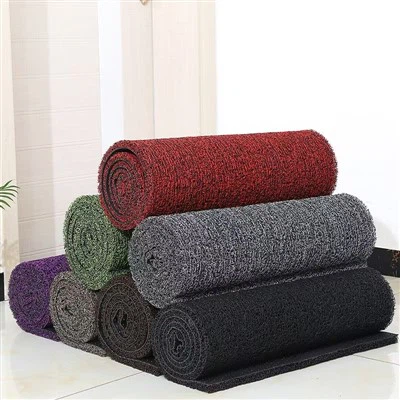
Gold Panning Grass, on the other hand, has a more open structure. It can be more forgiving in terms of temperature - related sediment clumping. In warmer temperatures, the open structure allows the water to flow more freely, reducing the risk of gold being washed away.


Real - World Examples
I've spoken with many prospectors who have shared their experiences using Gold Panning Blankets in different temperatures. One prospector in Alaska reported that during the early spring when the water was still quite cold, he noticed that the sediment was clumping up on his Gold Panning Blanket. He had to stop frequently to clean the blanket to maintain its efficiency. However, he also found that he was able to recover a significant amount of fine gold because the slow - moving water gave the gold more time to settle.
In contrast, a prospector in the deserts of Arizona shared that during the hot summer months, the water in his sluice box was evaporating quickly. He had to keep adding more water to maintain the flow. He also noticed that some of the fine gold was being washed away due to the fast - flowing water. He switched to a Gold Panning Grass blanket, which seemed to perform better in the high - temperature conditions.
Conclusion and Call to Action
In conclusion, temperature does have a significant impact on the performance of Gold Panning Blankets. While there is an optimal temperature range for using these blankets, different types of blankets may be more suitable for different temperature conditions.
If you're a gold prospector looking to improve your gold recovery, it's important to consider the temperature of the environment where you'll be panning. Choosing the right Gold Panning Blanket for the conditions can make a big difference in your success.
As a supplier of high - quality Gold Panning Blankets, I'm here to help you make the best choice for your needs. Whether you're panning in cold mountain streams or warm desert rivers, we have a range of products to suit your requirements. If you're interested in learning more about our Gold Panning Blankets or would like to discuss your specific needs, please don't hesitate to reach out. We're looking forward to starting a conversation with you about how our products can enhance your gold - panning experience.
References
- "The Physics of Gold Panning" - Journal of Geophysical Exploration
- "Temperature Effects on Fluid Flow in Mineral Processing" - International Journal of Mining Science
- Personal communications with gold prospectors from Alaska and Arizona