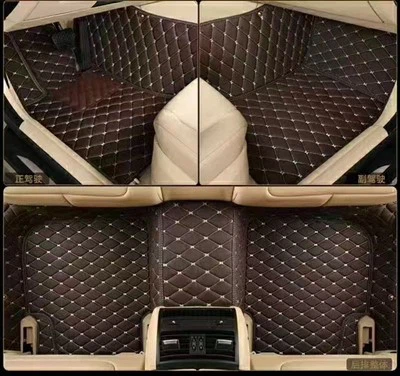
Hey there! As a supplier of leather car mats, I often get asked a bunch of questions about our products. One of the most common ones is, "Are leather car mats resistant to chemicals?" Well, let's dive right into this topic and find out.
First off, let's talk about what leather car mats are made of. Leather is a natural material, usually sourced from animal hides. It goes through a series of processes to turn it into the soft, durable material we use for car mats. There are different types of leather, like full - grain, top - grain, and bonded leather. Each has its own characteristics and properties when it comes to chemical resistance.
Full - grain leather is the highest quality. It's the outermost layer of the hide and retains all the natural grain and markings. This type of leather is pretty tough. It has a natural protective layer that can withstand a certain amount of chemical exposure. For example, a small spill of water - based cleaners or mild detergents won't usually cause much damage. However, stronger chemicals like gasoline, oil - based solvents, or harsh acids can still take a toll on it.
Top - grain leather is also of good quality. It's a bit more refined than full - grain leather as the top layer is sanded down to remove imperfections. This makes it smoother but also slightly less resistant to chemicals compared to full - grain. The sanding process can reduce the natural protective layer, so it might be more vulnerable to chemical damage.
Bonded leather, on the other hand, is made from scraps of leather that are glued together. It's the least expensive type of leather used for car mats. Unfortunately, it's also the least resistant to chemicals. The bonding agents used can break down when exposed to certain chemicals, causing the leather to peel or deteriorate quickly.
Now, let's look at some common chemicals that car mats might encounter. In a car, there are all sorts of substances that could potentially come into contact with the mats. For instance, gasoline spills can happen when you're filling up your tank and some drips onto your shoes and then onto the mat. Gasoline is a powerful solvent, and it can dissolve the natural oils in the leather, making it dry and brittle over time.
Another common chemical is motor oil. If there's a leak in your car's engine, oil can drip onto the floor and onto the mats. Oil can stain the leather and also penetrate the pores, causing discoloration and weakening the structure of the leather.
Cleaning products are also a factor. While mild, water - based cleaners are usually safe for leather car mats, harsh chemicals like bleach or ammonia - based cleaners should be avoided at all costs. These can cause the leather to fade, crack, or lose its softness.
But it's not all doom and gloom. There are ways to protect leather car mats from chemical damage. One of the best things you can do is to use a leather protector. There are many products on the market that can create a barrier between the leather and chemicals. These protectors work by filling the pores in the leather and forming a thin, invisible layer that repels liquids and chemicals.
Regular cleaning and maintenance are also crucial. By cleaning your car mats regularly with a mild leather cleaner, you can remove any dirt or chemicals that have accumulated on the surface before they have a chance to cause damage. You can also condition the leather periodically to keep it soft and supple. This helps to maintain the leather's natural resistance to chemicals.
If you're in the market for high - quality leather car mats, we've got some great options. Check out our Luxury Leather Car Mats. These are made from top - notch leather and are designed to withstand the rigors of daily use in your car.


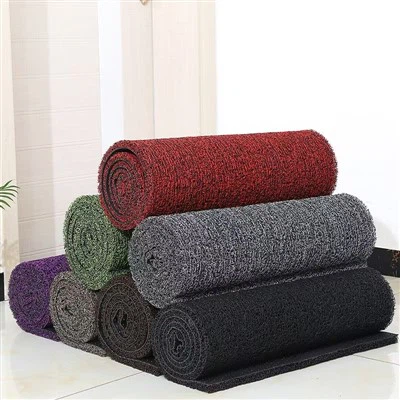
We also have Floor Leather Coil which can be a great option if you're looking for something a bit different. It's a unique product that offers both style and durability.
And for those of you who like to think outside the box, we even have Eva Sleeping Pad. It's not just for sleeping; it can also be used in your car for added comfort and protection.
So, to answer the question, "Are leather car mats resistant to chemicals?" The answer is it depends. The type of leather, the chemicals involved, and how well you take care of the mats all play a role. But with the right type of leather and proper maintenance, you can have car mats that are relatively resistant to chemical damage.
If you're interested in purchasing our leather car mats or have any questions about chemical resistance or our products in general, don't hesitate to get in touch. We're here to help you make the best choice for your car. Whether you're a car enthusiast looking for the perfect mats to enhance the look of your vehicle or just someone who wants a durable and stylish option for your daily driver, we've got you covered.
In conclusion, leather car mats can be a great addition to your car, but you need to be aware of their chemical resistance limitations. By understanding the different types of leather and taking proper care of your mats, you can enjoy them for years to come.
References:
- "The Complete Guide to Leather" by Leather Experts Inc.
- "Automotive Interior Materials and Their Properties" by AutoTech Publishing